Navigating Healthcare in Japan
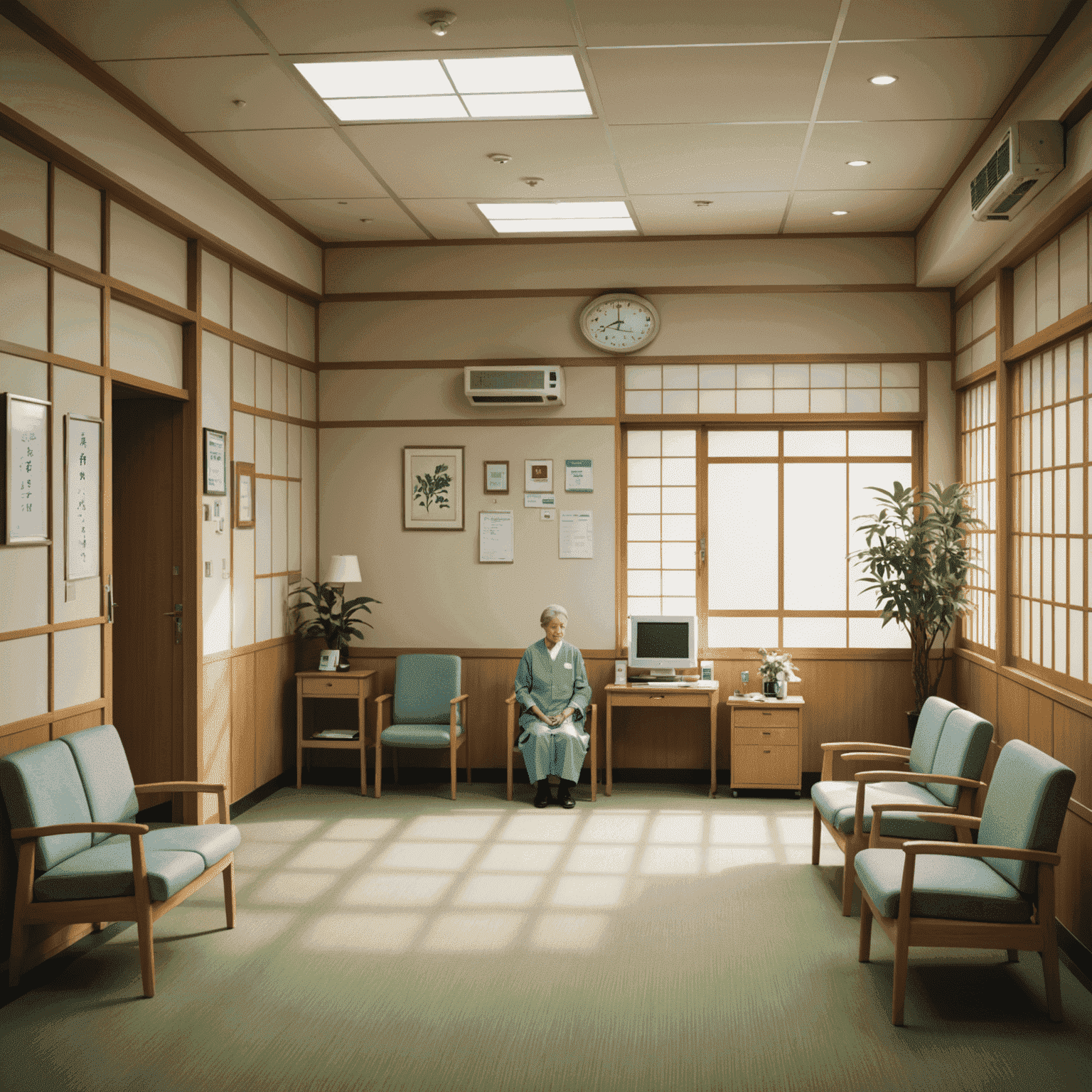
For foreign retirees living alone in Japan, understanding and accessing the healthcare system is crucial for maintaining a safe and comfortable lifestyle. This comprehensive guide will help you navigate Japan's healthcare landscape with confidence.
1. National Health Insurance (NHI)
Japan's National Health Insurance system is a cornerstone of healthcare for residents, including foreign retirees. Here's what you need to know:
- All residents, including foreign nationals staying for more than three months, are required to enroll in NHI.
- NHI covers 70% of medical costs, with patients responsible for the remaining 30%.
- To enroll, visit your local city office with your residence card and passport.
2. Finding a Doctor
Locating a suitable healthcare provider is essential for senior home safety and well-being:
- Look for clinics or hospitals with "English OK" signs or inquire at your local international center for English-speaking doctors.
- Consider joining expat groups or online forums to get recommendations from other foreign residents.
- Many larger hospitals in urban areas have international departments to assist foreign patients.
3. Emergency Services
Knowing how to access emergency services is crucial, especially for seniors living alone:
- Dial 119 for ambulance services. It's helpful to have your address written in Japanese for emergencies.
- Keep a list of emergency contacts, including your embassy and a trusted local friend or neighbor.
- Consider wearing a medical alert device for added safety at home.
4. Prescription Medications
Managing medications is an important aspect of senior healthcare:
- Bring a list of your current medications (including generic names) when visiting a doctor.
- Some medications common in your home country may not be available in Japan. Consult with your doctor about alternatives.
- Consider using a pill organizer to manage daily medications safely.
5. Preventive Care and Wellness
Maintaining good health is key to a fulfilling retirement in Japan:
- Take advantage of annual health check-ups offered by your local government.
- Explore senior-friendly exercise classes or join walking groups to stay active and social.
- Learn about Japanese practices like onsen (hot springs) therapy, which can be beneficial for overall wellness.
6. Long-term Care Insurance
For seniors who may require additional support:
- Japan's Long-term Care Insurance (LTCI) system provides various services for those aged 65 and over who need care.
- Services can include home helpers, day care services, and nursing home care.
- Consult with your local government office to understand eligibility and application processes.
Conclusion
Navigating healthcare in Japan as a foreign retiree may seem daunting at first, but with the right information and preparation, it can be a smooth and reassuring experience. By familiarizing yourself with the system, taking preventive measures, and knowing where to seek help, you can ensure a safe and healthy retirement in Japan. Remember, your well-being is paramount, and there are numerous resources available to support you in your journey of serene living in Japan.