Senior-Friendly Travel in Japan
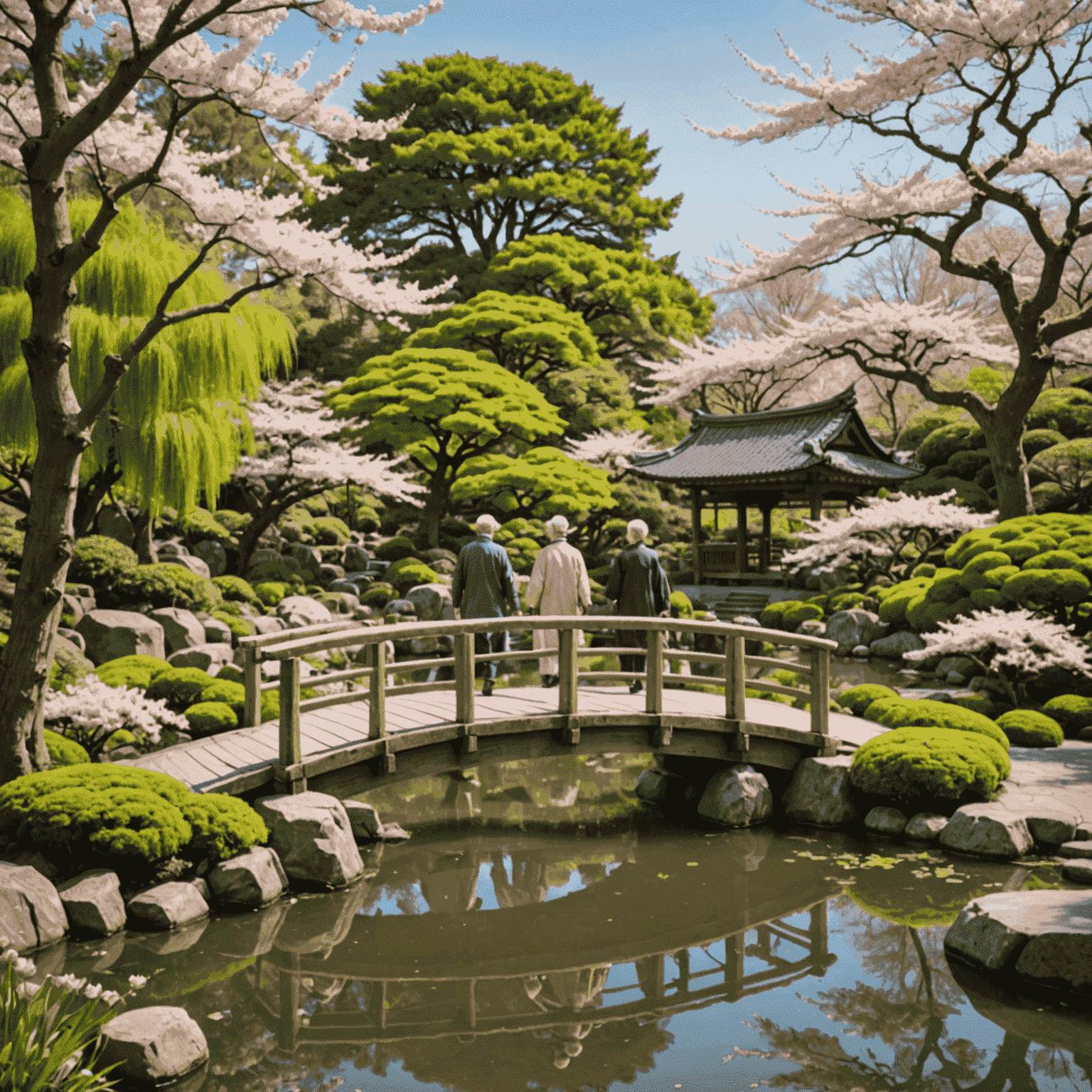
Japan, with its rich culture and stunning landscapes, offers a wealth of experiences for senior travelers. This guide will help you navigate the Land of the Rising Sun comfortably and safely, ensuring a memorable journey.
1. Choose Senior-Friendly Accommodations
Look for hotels that cater to seniors, offering amenities such as grab bars in bathrooms, elevator access, and rooms on lower floors. Many traditional ryokans (Japanese inns) now offer Western-style beds alongside tatami rooms, providing comfort without sacrificing cultural authenticity.
2. Utilize Japan's Excellent Public Transportation
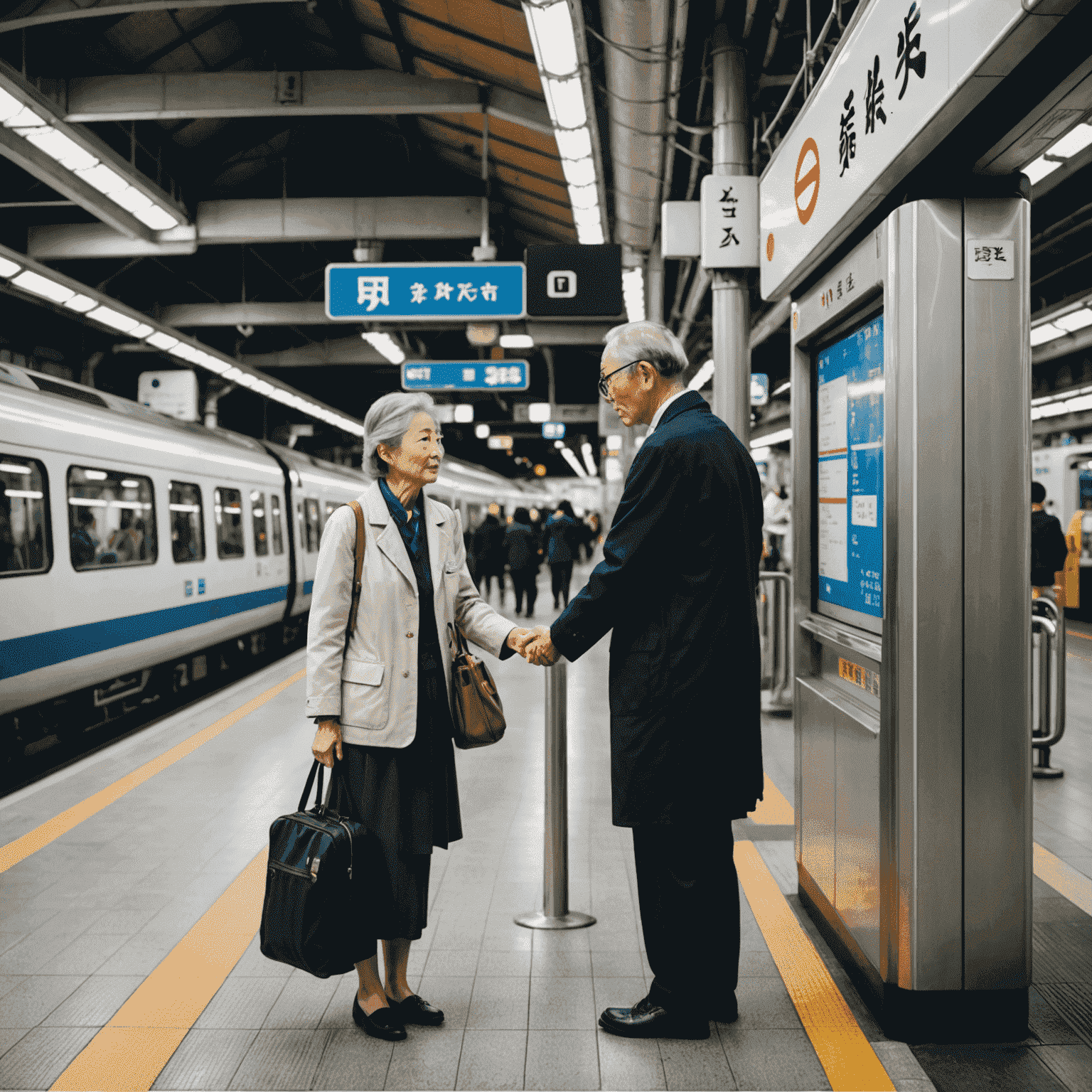
Japan's trains and buses are punctual, clean, and often offer priority seating for seniors. Consider purchasing a Japan Rail Pass for unlimited travel on JR lines, and don't hesitate to ask station staff for assistance – they're known for their helpfulness.
3. Plan for Accessible Sightseeing
Many popular attractions in Japan have made efforts to improve accessibility. Temples like Sensoji in Tokyo and Kiyomizu-dera in Kyoto offer ramps and elevators. Research beforehand and consider hiring a guide who specializes in tours for seniors.
4. Take Advantage of Senior Discounts
Many attractions, transportation services, and even some restaurants offer discounts for seniors. Always carry identification that shows your age to take advantage of these offers.
5. Pace Yourself and Prioritize Comfort
Japan's cities can be bustling, so plan for rest days between major excursions. Consider staying in one location for several days and taking day trips, rather than constantly moving between cities.
6. Embrace the Onsen Culture Safely
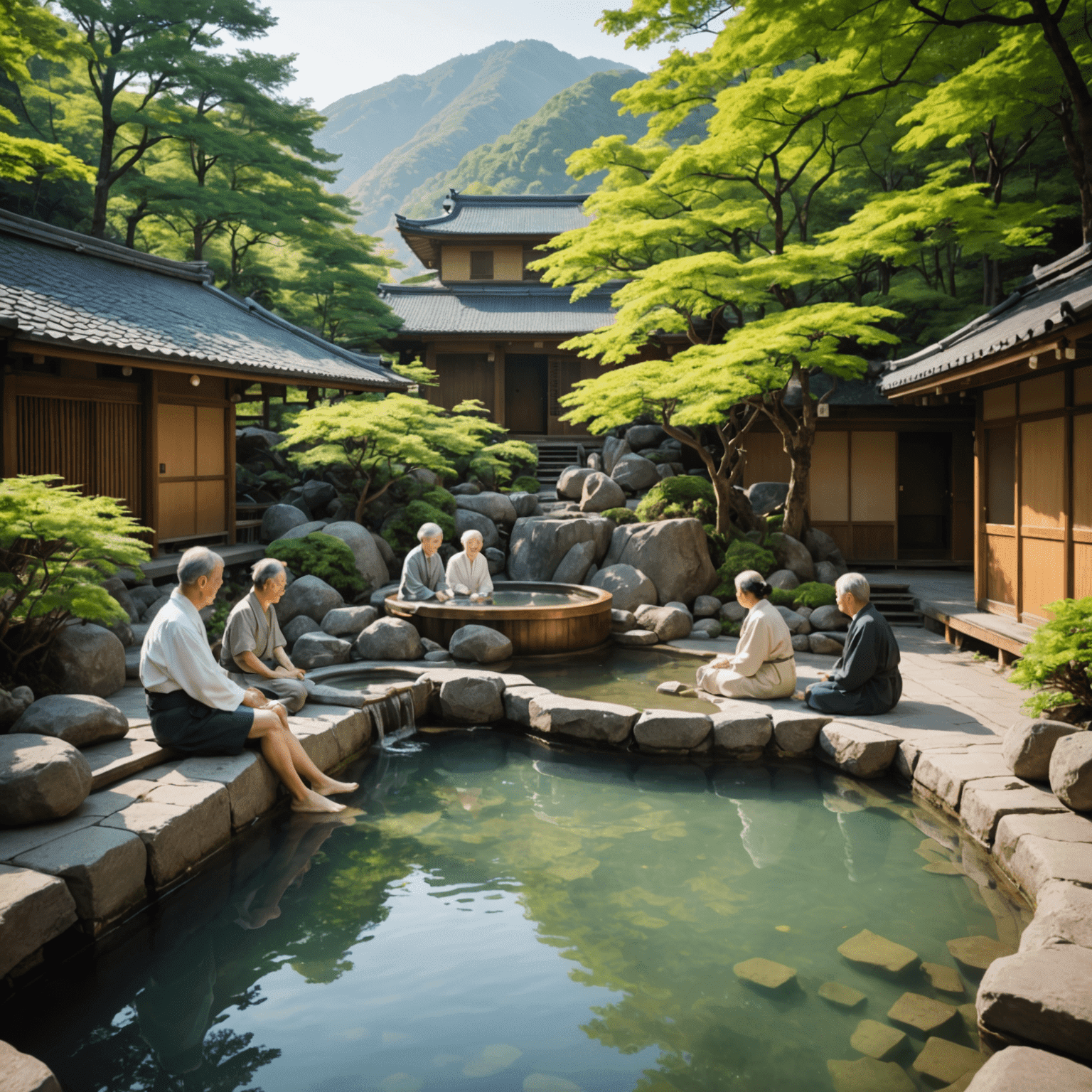
Japan's hot springs (onsen) can be incredibly relaxing and beneficial for senior health. Look for facilities with handrails and attendants who can assist if needed. Some ryokans offer private onsen baths, perfect for those who prefer more privacy.
7. Stay Connected and Prepared
Rent a pocket Wi-Fi or get a local SIM card to stay connected. Keep a list of emergency contacts and any medical information translated into Japanese. Many pharmacies can provide medications, but it's wise to bring an ample supply of your prescriptions.
8. Enjoy Senior-Friendly Cultural Experiences
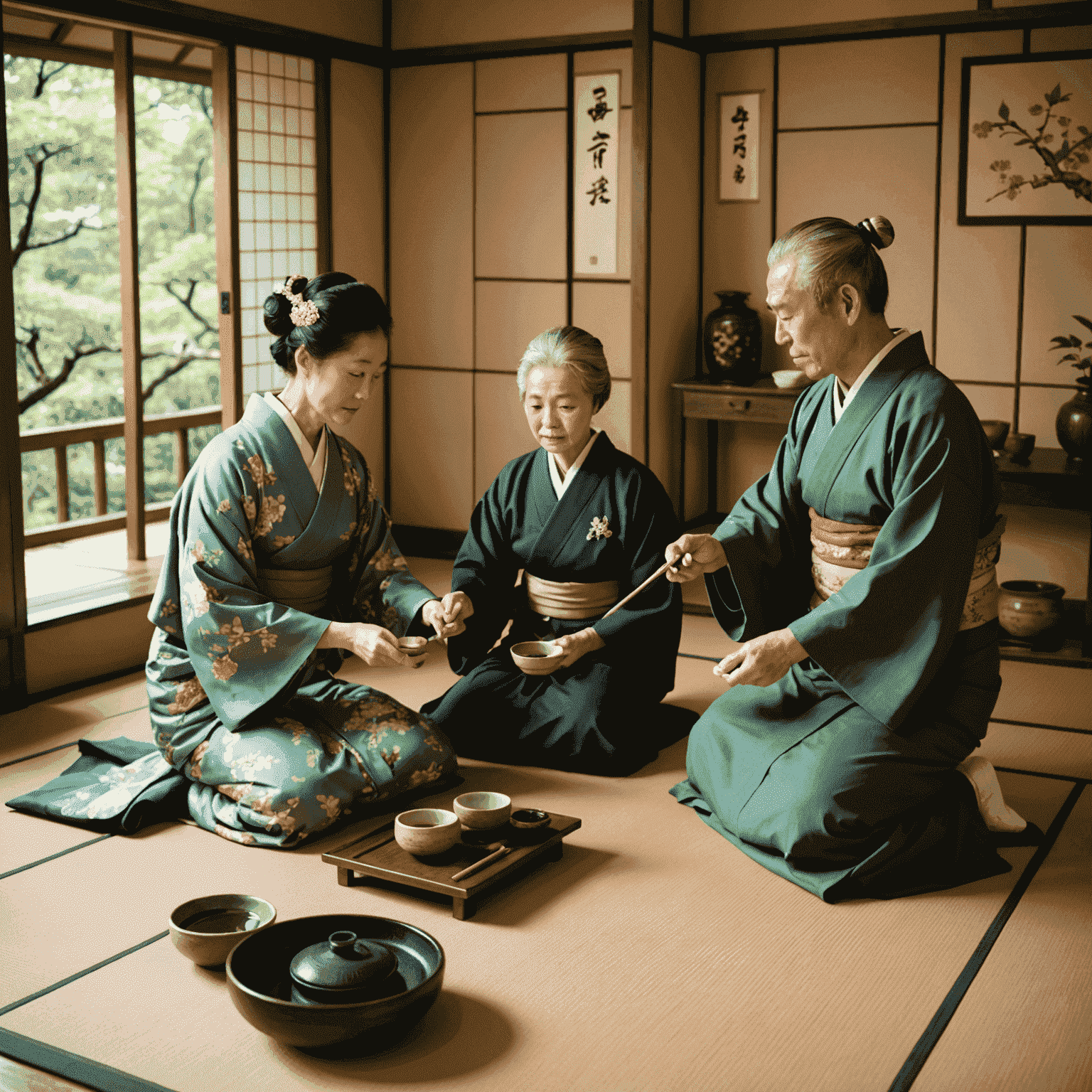
Participate in gentle cultural activities like tea ceremonies, calligraphy classes, or gentle walks in beautiful gardens. These experiences offer deep insights into Japanese culture without being physically demanding.
Traveling to Japan as a senior can be a deeply rewarding experience. With proper planning and a focus on comfort and safety, you can immerse yourself in the beauty and tranquility of Japanese culture. Remember to listen to your body, take things at your own pace, and don't hesitate to ask for assistance when needed. The kindness and respect for elders in Japanese society will ensure you feel welcomed and cared for throughout your journey.